
Human health does not exist in a vacuum. It is deeply connected to the health of the animals we share our environment with and the ecosystems we live in. This interconnectedness is the foundation of the One Health approach — a collaborative, multi-sectoral strategy that recognizes that the health of people, animals, and the environment are inextricably linked.
The World Health Organization (WHO), the Food and Agriculture Organization (FAO), and the World Organisation for Animal Health (OIE) all endorse One Health as a critical framework for preventing and responding to public health threats — particularly zoonotic diseases that jump from animals to humans.
Why One Health Matters in Nigeria
With recurrent outbreaks of zoonotic diseases — diseases that jump from animals to humans, such as Lassa fever, Yellow fever, Monkeypox, and various viral haemorrhagic fevers — a collaborative public health strategy is more important than ever in Nigeria.
Environmental factors like poor waste management, deforestation, and uncontrolled urbanization create perfect breeding grounds for disease vectors — rodents, mosquitoes, and pests that carry and transmit infectious agents. When communities live in environments where waste is not properly managed, rodent populations explode, increasing the risk of Lassa fever transmission.
The Three Pillars: Human, Animal, and Environmental Health
The One Health framework operates across three interconnected domains:
Human Health: Medical surveillance, disease prevention, vaccination, and clinical care all contribute to protecting individual and community wellbeing. Public health systems must be robust, funded, and responsive.
Animal Health: Livestock and wildlife carry pathogens that can spill over into human populations. Veterinary surveillance, responsible antibiotic use in livestock, and wildlife management are all critical preventative tools.
Environmental Health: Clean water, proper sanitation, waste management, and healthy ecosystems reduce the burden on both human and animal health systems. Environmental degradation is a direct driver of disease emergence.
Eco-Health's Role in One Health Implementation
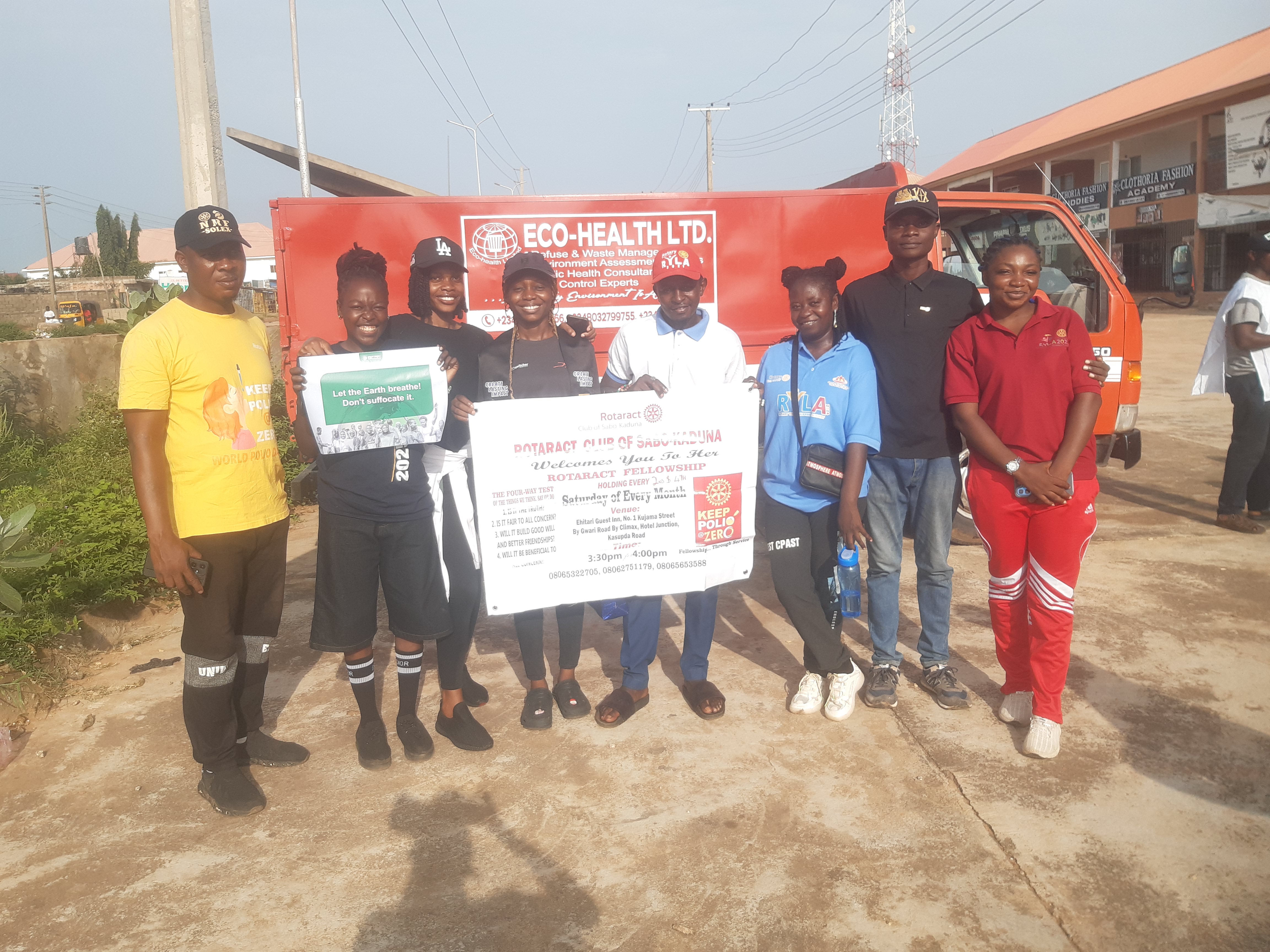
By integrating environmental health management with veterinary and medical science, we can detect, monitor, and prevent health threats before they become pandemics. Eco-Health is at the forefront of implementing these preventative sanitary strategies to safeguard Nigerian families.
Our services — waste management, pest control, environmental sanitation, and public health consultancy — directly address the environmental pillar of One Health, reducing disease vectors and improving community resilience.
Ready to Make a Difference?
Contact Eco-Health today to explore our waste management and recycling solutions for your home, business, or institution.
Get in Touch